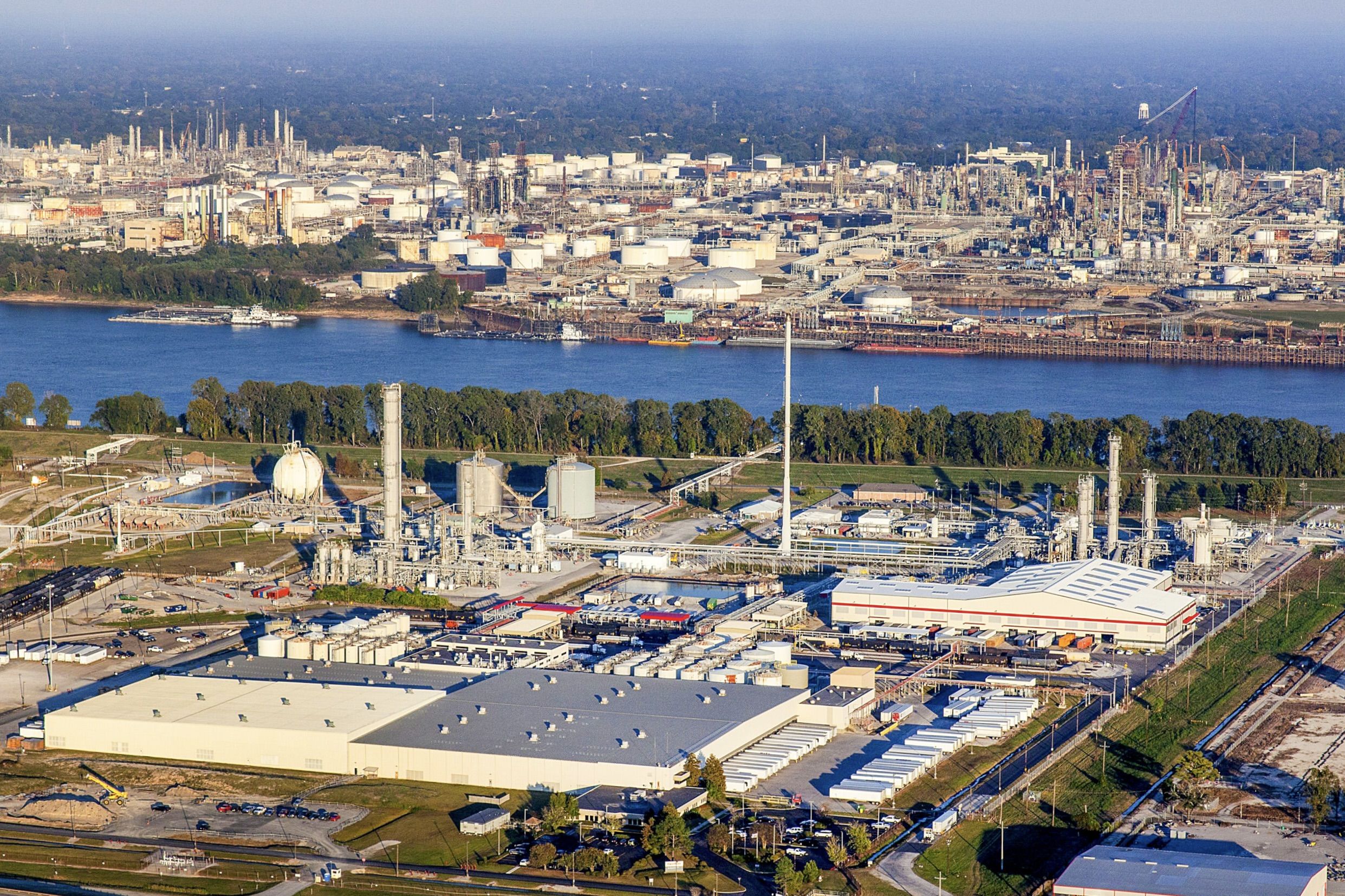
Baton Rouge Industrial Real Estate: A Paradox of Stagnation Amidst National Growth
The national industrial real estate market has been a beacon of strength, boasting robust growth, high demand, and record-low vacancies in recent years. Yet, against this backdrop of surging activity, the Baton Rouge industrial real estate market finds itself in a perplexing state. Described by some as experiencing "gridlock and stagnation," the capital city of Louisiana appears to be an outlier, struggling to capitalize on the very economic currents propelling other regions forward. This creates a compelling paradox: how can a metropolitan area nestled within one of the nation’s most vital industrial corridors, with unmatched logistical advantages, lag so significantly in its industrial property sector?
This article will delve into the nuanced dynamics of the Baton Rouge industrial real estate market, exploring the reasons behind its current state of stagnation, highlighting the inherent strengths that could still drive future growth, and offering insights for stakeholders looking to navigate or invest in this complex landscape. Understanding the unique challenges and opportunities in Baton Rouge is crucial for anyone with an interest in industrial properties along the Gulf Coast.
Unpacking the Local Market Dynamics: What's Driving the Stagnation?
The term "gridlock and stagnation" for the Baton Rouge industrial real estate market suggests more than just slow growth; it implies a lack of significant forward movement in several key areas. This can manifest in various ways: a scarcity of new speculative construction, limited transaction volume for existing properties, slow absorption rates for available spaces, and potentially an aging inventory that doesn't meet the demands of modern industrial users.
While the national market has seen an explosion in e-commerce-driven logistics and advanced manufacturing facilities, Baton Rouge hasn't experienced the same wave of development. This could be attributed to several factors:
*
Developer Hesitancy: A perceived lack of immediate, overwhelming demand might deter developers from initiating large-scale speculative projects, leading to a self-fulfilling prophecy of limited new supply.
*
Aging Infrastructure: Much of the existing industrial stock in Baton Rouge may consist of older, Class B or C facilities that lack the high clear heights, large truck courts, ample loading docks, and advanced technological capabilities that modern logistics and manufacturing operations require. This mismatch between supply and demand specs can lead to stagnation even with existing vacancies.
*
Specific Economic Focus: While Baton Rouge is heavily influenced by the petrochemical industry, the specific real estate needs of these large-scale operations might not translate into broad demand for general industrial warehousing or distribution centers. Many major industrial players build their own specialized facilities rather than relying on a speculative market.
*
Local Economic Headwinds: While the national economy might be robust, local factors such as workforce availability, regulatory environment, or specific regional investment priorities could also play a role in dampening enthusiasm for industrial real estate development.
However, even within this period of stagnation, there are signs of market activity, particularly for stable, income-producing assets. A prime example is the recent acquisition by TruCore Investments of an 81,589-square-foot industrial facility at 10781 Cousey Court. This Class B property, fully leased to FedEx since its delivery in 1998, represents a strategic investment in a proven asset. The transaction, brokered by Alex Ruch of Elifin Realty, underscores the value of well-located properties with long-term, creditworthy tenants. This type of sale, while positive for the involved parties, highlights a market where opportunities might be found more in acquiring and optimizing existing, reliable assets rather than through new, large-scale speculative development. For a deeper look at this specific acquisition, read our detailed analysis here:
TruCore Acquires Key Baton Rouge Industrial Facility Leased by FedEx.
Baton Rouge's Untapped Potential: The Gulf Coast Advantage
The most striking contradiction in the narrative of Baton Rouge's industrial real estate market is its geographic and economic positioning. Louisiana, alongside Texas, consistently leads the nation in per-capita exports. This remarkable success is underpinned by two non-negotiable assets: docks and pipelines. The Gulf Coast, where Baton Rouge plays a pivotal role, benefits from unmatched access to large, deepwater ports that efficiently move high-volume, high-value commodities to global markets.
From world-scale chemical manufacturing to energy production, the region’s industrial ecosystem is robust and deeply integrated into international trade. These formidable logistics advantages, combined with a long-standing industrial heritage, firmly place the Gulf Coast at the epicenter of U.S. trade. As global demand for energy and downstream chemical products continues to evolve, the strategic importance of port infrastructure, extensive pipeline connectivity, and operational reliability only intensifies. Data consistently reinforces the crucial role of smart investment in pipelines and maritime systems – exports simply do not move without them. For an expanded view on the region's logistical prowess, explore
Baton Rouge Industrial's Strategic Edge: Ports, Pipelines & Exports.
So, if Baton Rouge is situated in such an export powerhouse, why isn't its industrial real estate market flourishing? The answer likely lies in the nature of the demand. Much of the industrial activity in the region is heavy industrial, tied directly to petro-chemical plants or energy infrastructure, which often involves owner-occupied facilities or specialized build-to-suit projects rather than general-purpose speculative warehouses. The existing infrastructure, while vital for exports, might not be generating sufficient demand for new, diversified industrial spaces suitable for a broader range of logistics, light manufacturing, or e-commerce fulfillment operations. The challenge for Baton Rouge industrial real estate is to bridge this gap: to leverage its macro-level strengths into micro-level opportunities for property development and investment across a wider spectrum of industrial uses.
Strategies for Reinvigorating Baton Rouge Industrial Real Estate
Overcoming the current stagnation in the Baton Rouge industrial real estate market requires a multi-pronged approach involving collaboration between investors, developers, local government, and businesses. The underlying strengths of the region are undeniable; the task is to translate these into tangible growth for the property sector.
Identifying Opportunities for Growth
While the overall market may be quiet, specific niches present opportunities:
*
Modern Logistics and Distribution: As e-commerce continues its penetration, there will be increasing demand for modern logistics and distribution facilities, including last-mile delivery centers. Baton Rouge's strategic location along major interstates (I-10, I-12) and its proximity to a large consumer base (both local and regional) make it ideal for such operations.
*
Specialized Manufacturing Support: The extensive chemical and energy industries require a robust ecosystem of support services, light manufacturing, and fabrication shops. Identifying gaps in this specialized supply chain can create targeted development opportunities.
*
Redevelopment and Repositioning: Many older industrial properties in Baton Rouge could be prime candidates for redevelopment or adaptive reuse. Upgrading existing facilities to meet contemporary standards (higher clear heights, better energy efficiency, enhanced security) can unlock significant value.
*
Cold Storage: Given Louisiana's agricultural and seafood industries, and its hot climate, modern cold storage facilities could be a growing area of demand, particularly with advancements in food logistics.
Recommendations for Stakeholders
To inject vitality into the Baton Rouge industrial real estate market, various stakeholders must take proactive steps:
*
For Investors: Look beyond speculative development and consider opportunities in stable, income-generating assets like the FedEx facility. Also, explore value-add opportunities through the modernization or repositioning of older properties. Conduct thorough due diligence on existing tenants and lease structures.
*
For Developers: Focus on granular market research to identify specific underserved segments. Consider build-to-suit projects for creditworthy tenants, which can mitigate risks associated with speculative development. Explore innovative design concepts that prioritize flexibility, efficiency, and sustainability.
*
For Local Government and Policy Makers: Streamline permitting processes to reduce the time and cost associated with new construction or redevelopment. Offer targeted incentives (e.g., tax abatements, infrastructure grants) to attract developers and industrial users focused on modern, job-creating facilities. Invest in public infrastructure (roads, utilities) that supports industrial parks and logistics hubs. Foster workforce development programs tailored to industrial needs.
*
For Businesses: Understand the long-term strategic advantages of Baton Rouge as a gateway to global markets. Even with current market conditions, favorable lease terms or build-to-suit opportunities might exist for those willing to commit to the region's immense logistical benefits.
Conclusion
The Baton Rouge industrial real estate market presents a fascinating dichotomy: a region with unparalleled strategic advantages in global trade and energy, yet one experiencing localized stagnation in its property sector. While the national industrial market thrives, Baton Rouge's unique dynamics—a reliance on heavy industry, an aging inventory, and perhaps a cautious development environment—have created a state of "gridlock." However, this stagnation is not indicative of a lack of potential. Baton Rouge's position as a nexus for ports, pipelines, and exports remains a powerful draw. By strategically identifying underserved niches, modernizing existing assets, and fostering a more agile and incentive-driven development environment, the Baton Rouge industrial real estate market can undoubtedly unlock its latent potential. The pathway to growth lies in actively bridging the gap between the region's immense industrial backbone and the evolving demands of modern industrial and logistics operations, transforming its paradox into prosperity.